
What Could the New School Estate Return Reveal About Your School?
From September 2026, academy trusts, local authorities and other responsible bodies are being asked to look more closely at how effectively their school estates are being managed.
The first School Estate Management Standards annual return opens during the third week of September, with submissions due by late November.
For individual schools, this does not necessarily mean another lengthy form for the headteacher to complete. The return sits with responsible bodies such as academy trusts, local authorities, sixth-form colleges and dioceses.
However, the questions behind the return could still have a very real impact on individual schools.
It encourages responsible bodies to consider not only the condition of their buildings, but whether classrooms, dining spaces, sixth-form areas and other parts of the estate are still suitable for the way schools operate today.
In this blog, we look at what’s involved in a School Estate Return, answering the questions behind it and if it could have consequences much closer to the classroom.
- What’s the School Estate Management Standards annual return?
- It isn't just about leaking roofs
- Does that mean replacing everything?
- Start with the space, not the furniture
- Moving beyond “patch and mend”
- Could an existing space work harder?
What’s the School Estate Management Standards annual return?
The Department for Education introduced the annual return as part of its School Estate Management Standards.
The aim is to understand how effectively responsible bodies are managing their estates and where improvements may be required.
The DfE says organisations should be working towards Level 3 - fully effective estate management.
Importantly, there is no financial penalty simply because an organisation has not yet reached that level, and completing the return does not affect the funding it receives.
It is better thought of as an estate’s health check.
The process should help trusts and other responsible bodies understand what they are doing well, where gaps may exist and where further planning or investment could be needed.
You can read the full DfE guidance on the School Estate Management Standards annual return.
It isn't just about leaking roofs
When people hear the words school estate, the first things that often come to mind are roofs, boilers, windows and structural repairs.
Those things obviously matter, but the government's wider guidance also asks schools and responsible bodies to consider the suitability and sufficiency of their estate.
That raises a different set of questions:
- Is there enough space for the number of pupils using it?
- Is the available space being used effectively?
- Does the room suit the curriculum being delivered?
- Does it work for current class sizes?
- Is it appropriate for SEND and accessibility requirements?
- Are circulation, storage and layout creating problems?
- Are fixtures, fittings and furniture still appropriate?
The DfE specifically includes internal spaces, fixtures, fittings and furniture when considering suitability.
That means a room does not have to be broken to need attention.
A classroom may still be perfectly usable while no longer being the best environment for the pupils and staff using it.
Does that mean replacing everything?
No. The government's approach is not simply to identify something that could be better and replace it.
Its longer-term estates guidance encourages responsible bodies to think about whether buildings and spaces should be retained, adapted or replaced.
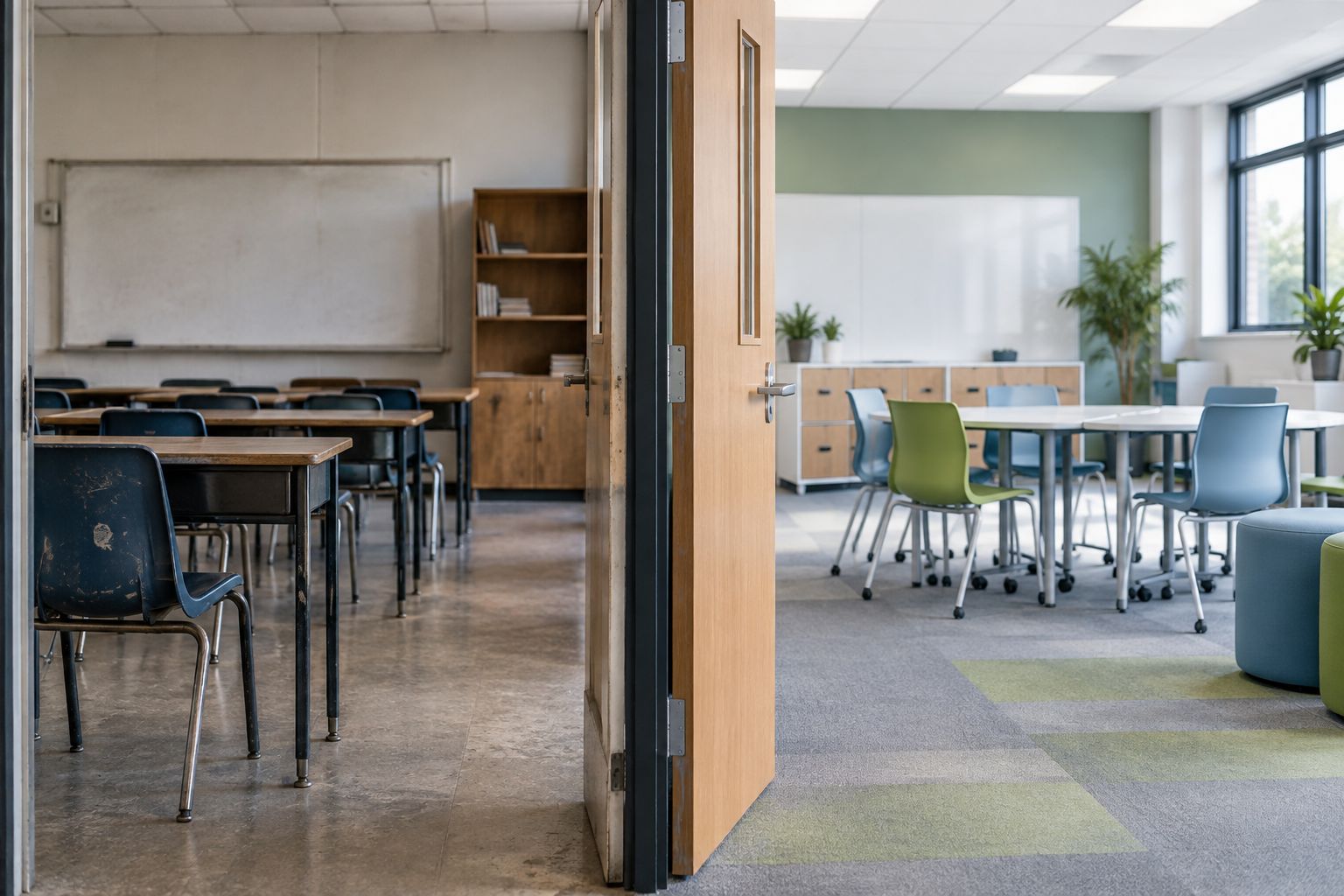
For a classroom, sixth-form area or shared learning space, adapting what is already there can often be the most practical option.
A school refurbishment or education fit-out might involve:
- changing the layout of the room
- keeping furniture that is still suitable
- improving storage
- replacing worn flooring
- redecorating tired areas
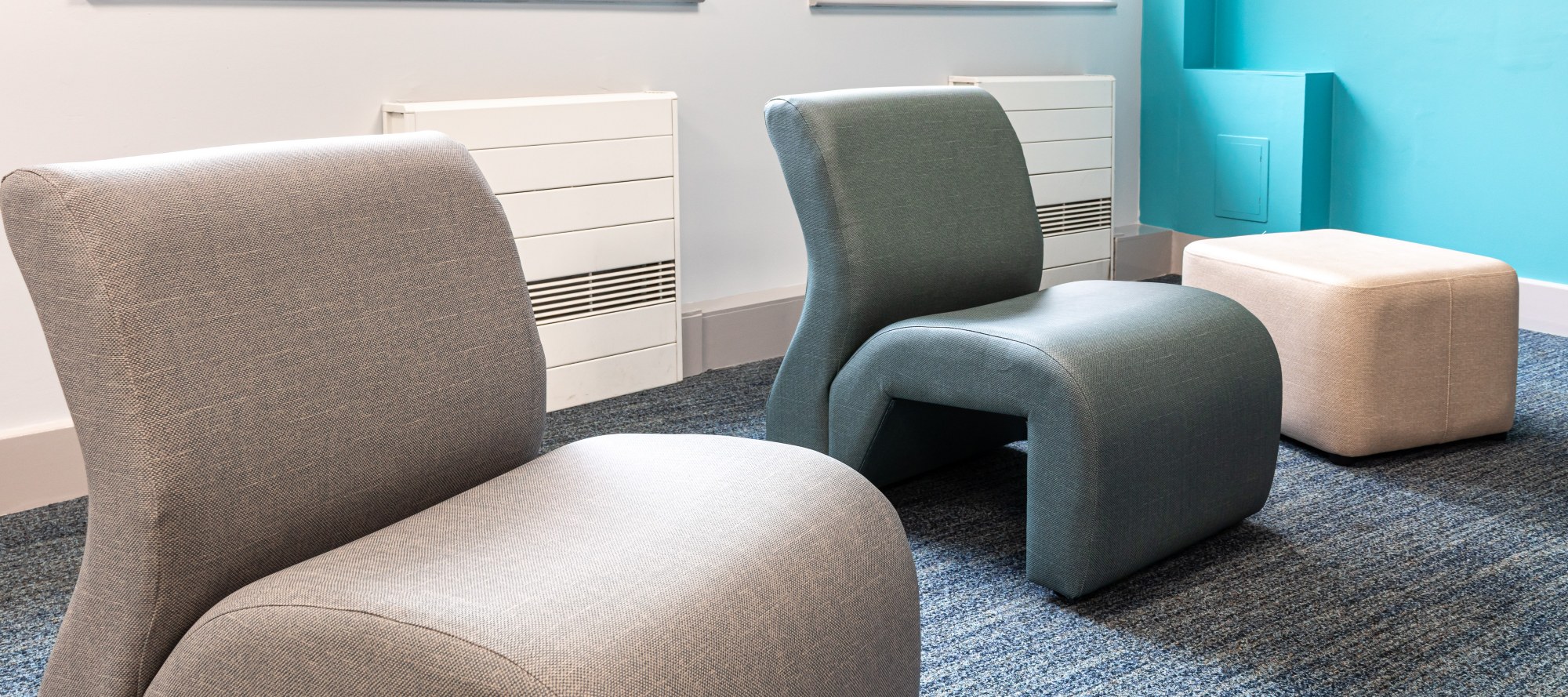
- introducing more suitable furniture where needed
- creating different zones within a larger room
- improving movement and accessibility
The solution does not always need to be a major building project.
Sometimes changing the way a room is arranged can make a significant difference.
Start with the space, not the furniture
There’s an important distinction between buying furniture and planning a refurbishment.
If the first question is: “What desks should we buy?”
you have already made assumptions about what the answer needs to be.
A better starting point is: “What does this room actually need to do?”
That is why Polycopy's education furniture and learning space fit-out service starts by looking at the space itself.
A site visit and CAD layout can help assess:
- pupil numbers
- movement around the room
- the teaching position
- storage requirements
- accessibility
- the different ways the space needs to be used
- furniture that can be retained
- whether the available floor area could be used more efficiently
Once those questions have been answered, it becomes much easier to choose furniture, flooring, finishes and other elements of the project.
Moving beyond “patch and mend”
The timing of the new annual return is also significant.
The government's Education Estates Strategy sets out a ten-year move towards more planned maintenance and renewal rather than continually reacting when something goes wrong.
Its Renewal and Retrofit Programme is intended to reduce reactive “patch and mend” work and tackle problems before buildings deteriorate to the point where major rebuilding becomes necessary.
The first phase includes schools and colleges in the East Midlands, alongside Yorkshire and the Humber and the South East.
That programme mainly concerns larger building-condition projects rather than day-to-day classroom refurbishment or furniture.
But the wider principle applies just as well inside the school: identify problems earlier, plan properly and make better use of the estate you already have.
Could an existing space work harder?
One of the most useful questions schools can ask is whether the rooms they already have still match their current requirements.
A growing sixth form might need additional capacity, a classroom may need to be adapted for a different subject.
An underused room might work better as an intervention space, learning hub, meeting room or staff area.
The solution does not necessarily have to involve creating more floor space, sometimes the opportunity is already sitting inside the building.
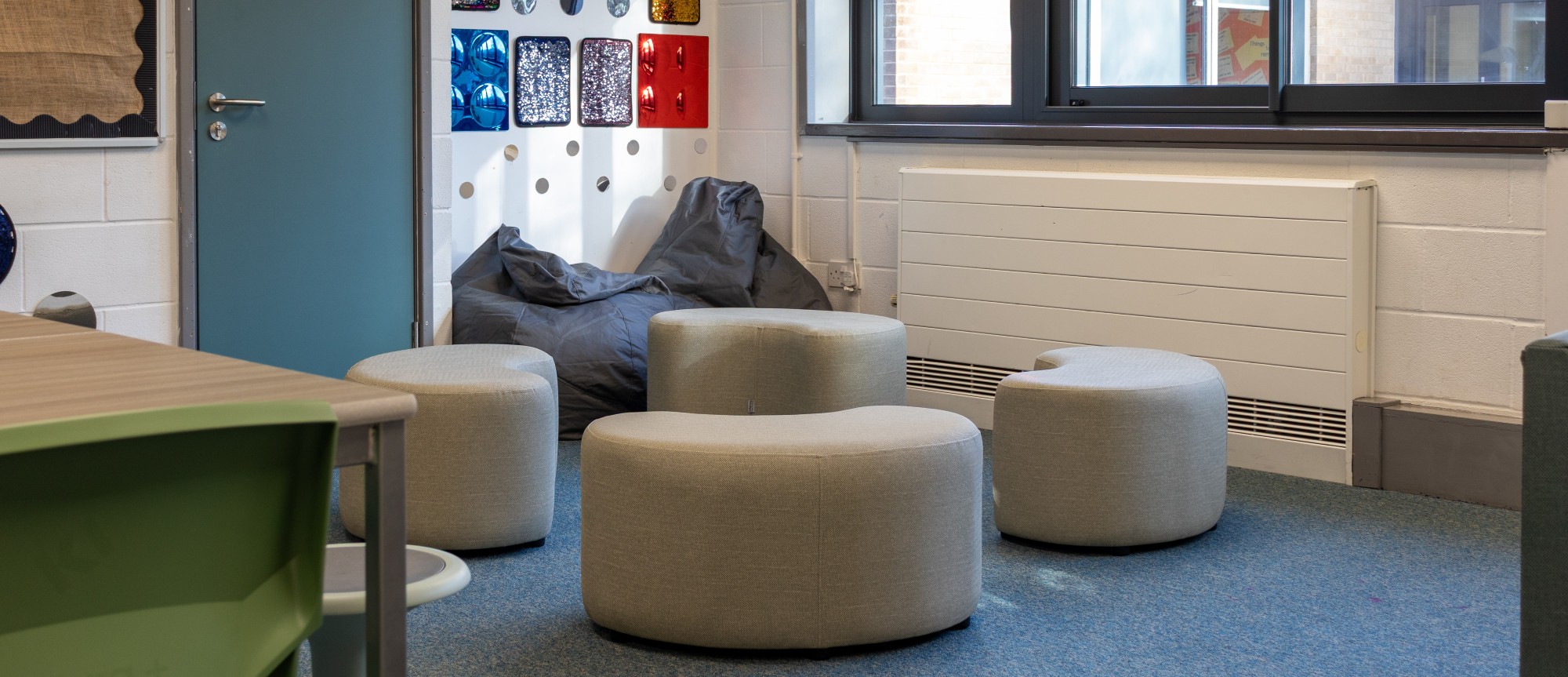
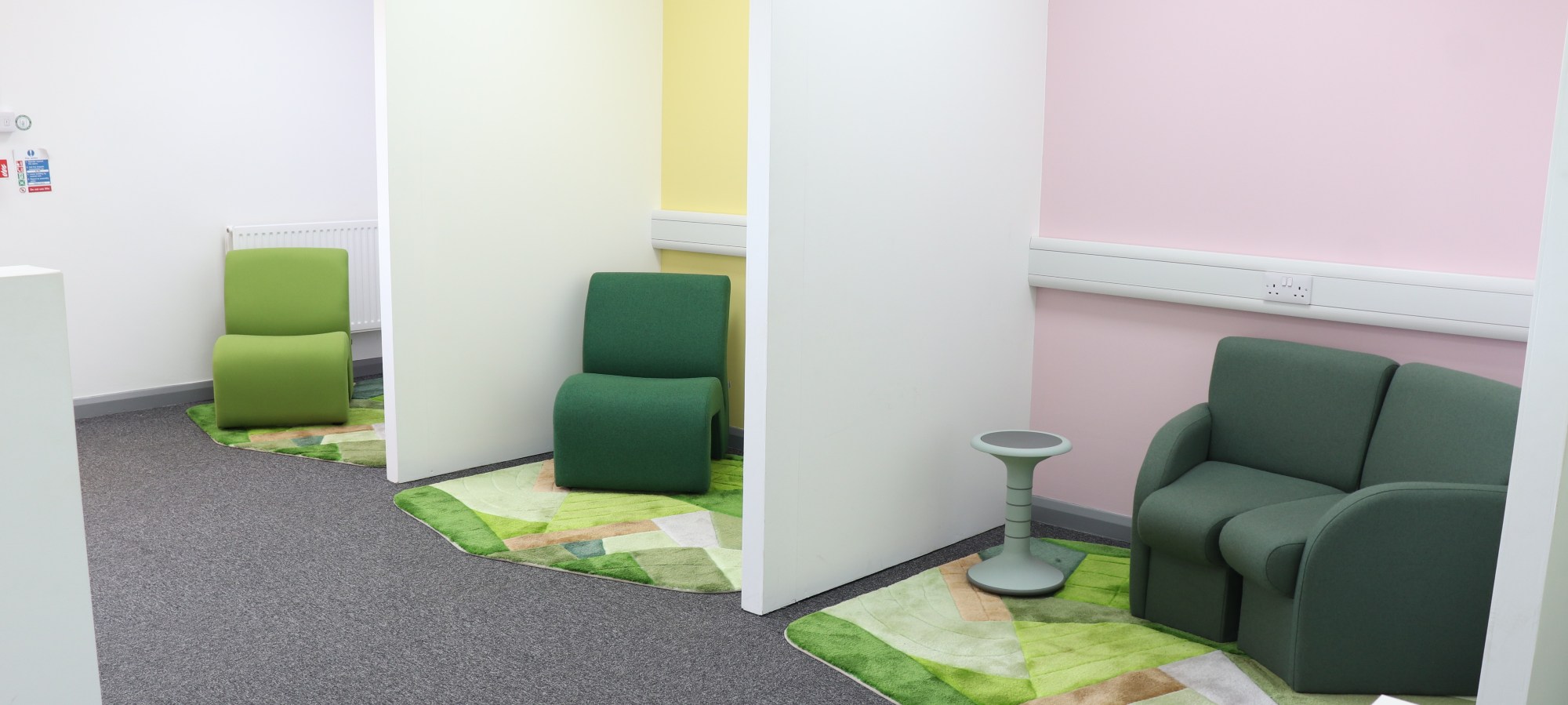
At Iveshead School in Shepshed, Polycopy helped create a more flexible sixth-form environment. At Welland Park Academy, the existing dining area was redesigned to make better use of the available space.
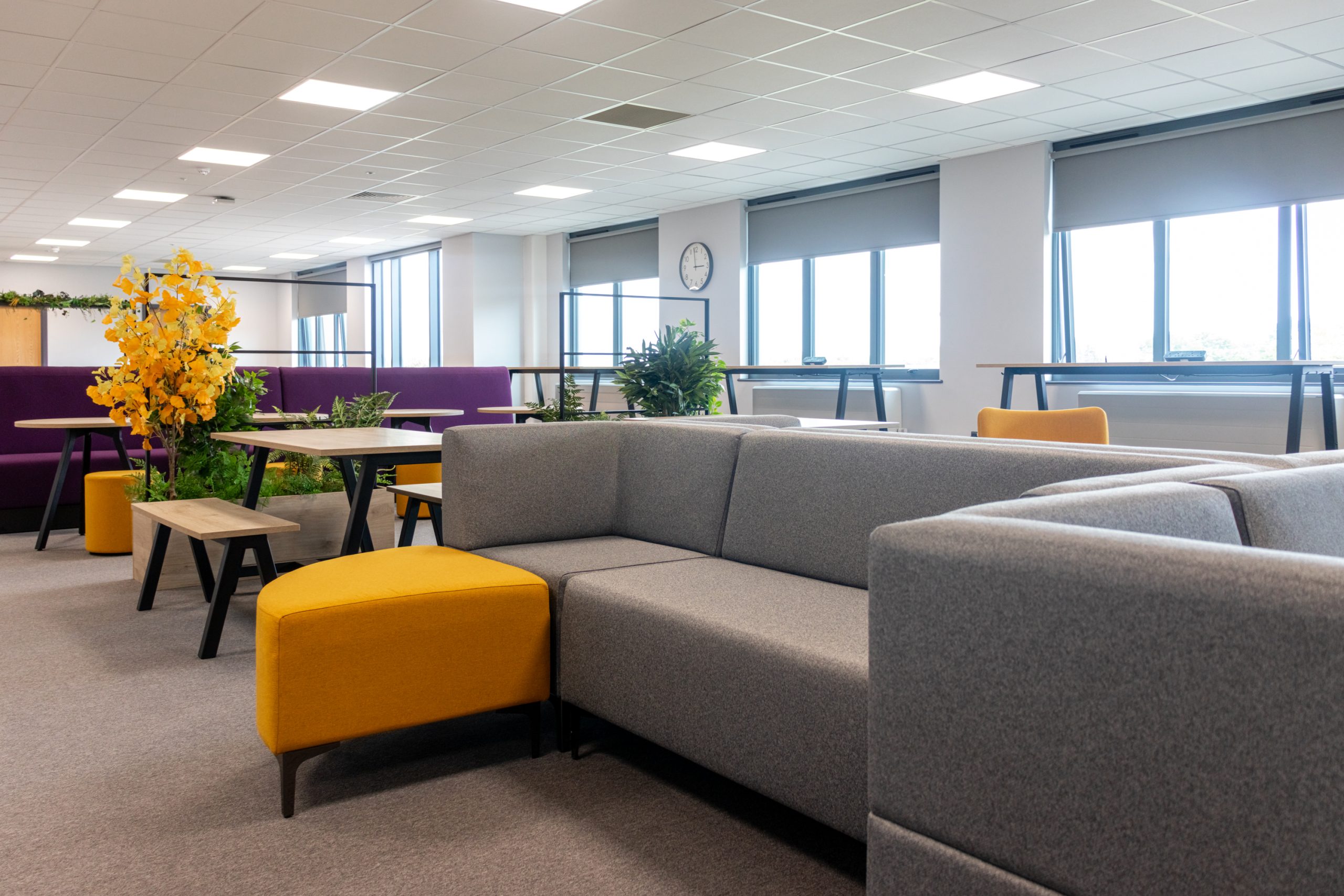
In both cases, the aim went beyond making the rooms look newer - it was about making them work better.
A useful question for every school
The School Estate Management Standards annual return is not going to force every school to begin a refurbishment project.
It does, however, put greater emphasis on a question that can easily be overlooked while dealing with everyday school priorities: Is our estate still suitable for what we need it to do?
There's a simple way to start answering it.
Walk into a classroom, dining hall, sixth-form area, staffroom or shared space and imagine that everything inside was removed.
Then ask: If this room were completely empty tomorrow, would we put it back exactly as it is today?
If the answer is no, it may be worth looking at what could be improved.
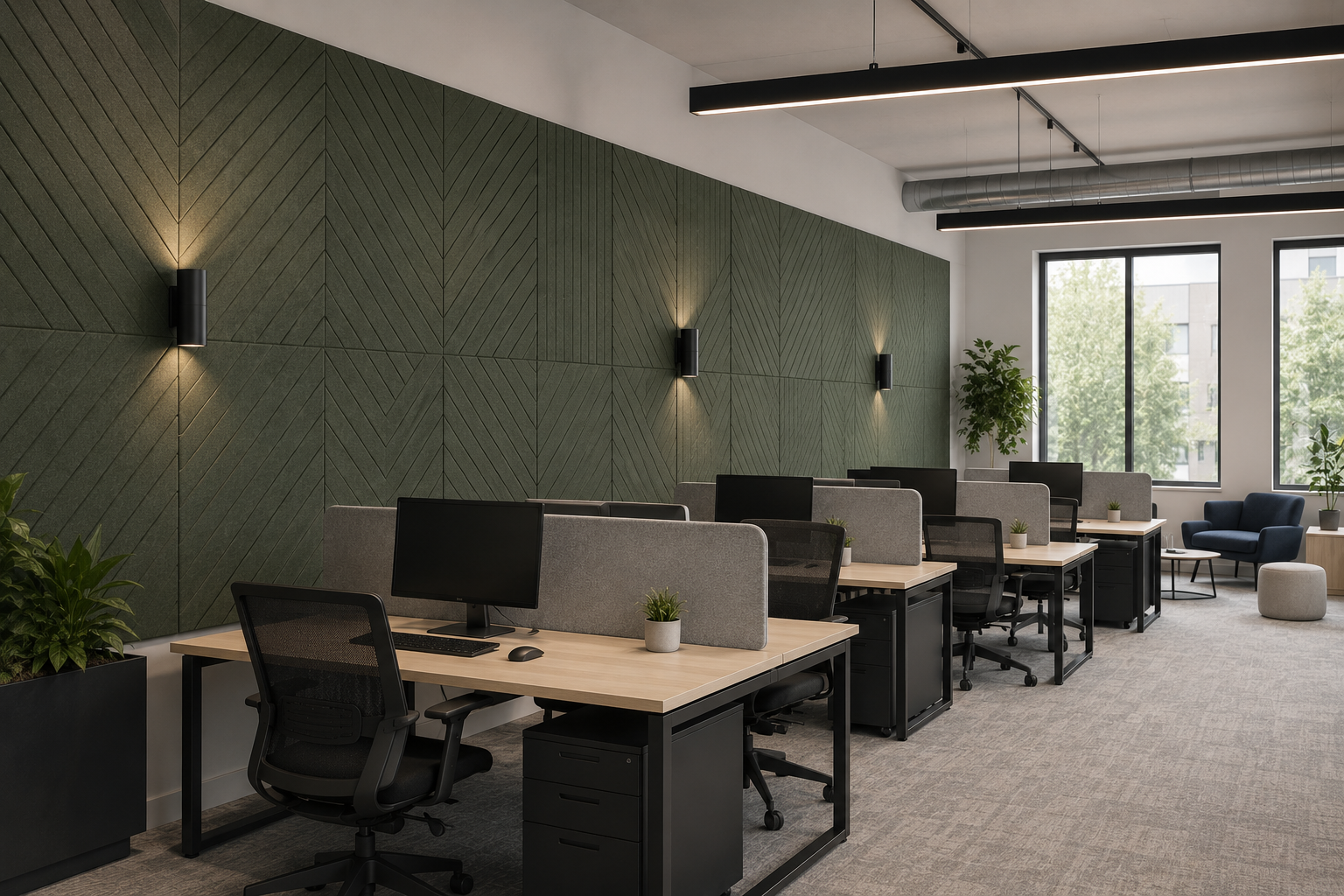
Polycopy works with schools and colleges across Leicester, Leicestershire and the Midlands on school refurbishment, classroom refurbishment and complete education fit-out projects.
Our education and office refurbishment and fit-out service can cover the whole process, from an initial site visit and CAD space planning through to furniture, flooring, decoration, delivery and installation.
Sometimes improving a school space does not begin with deciding what needs to be bought.
It begins by looking again at what is already there.