

Why Colour Matters More Than Most Furniture Buyers Think

When planning a new office, classroom or learning space, colour is often treated as the final decision.
Budgets come first. Layouts come next. Furniture choices are made. Then, somewhere near the end, someone asks what colour everything should be.
That is where many spaces start to lose their impact.
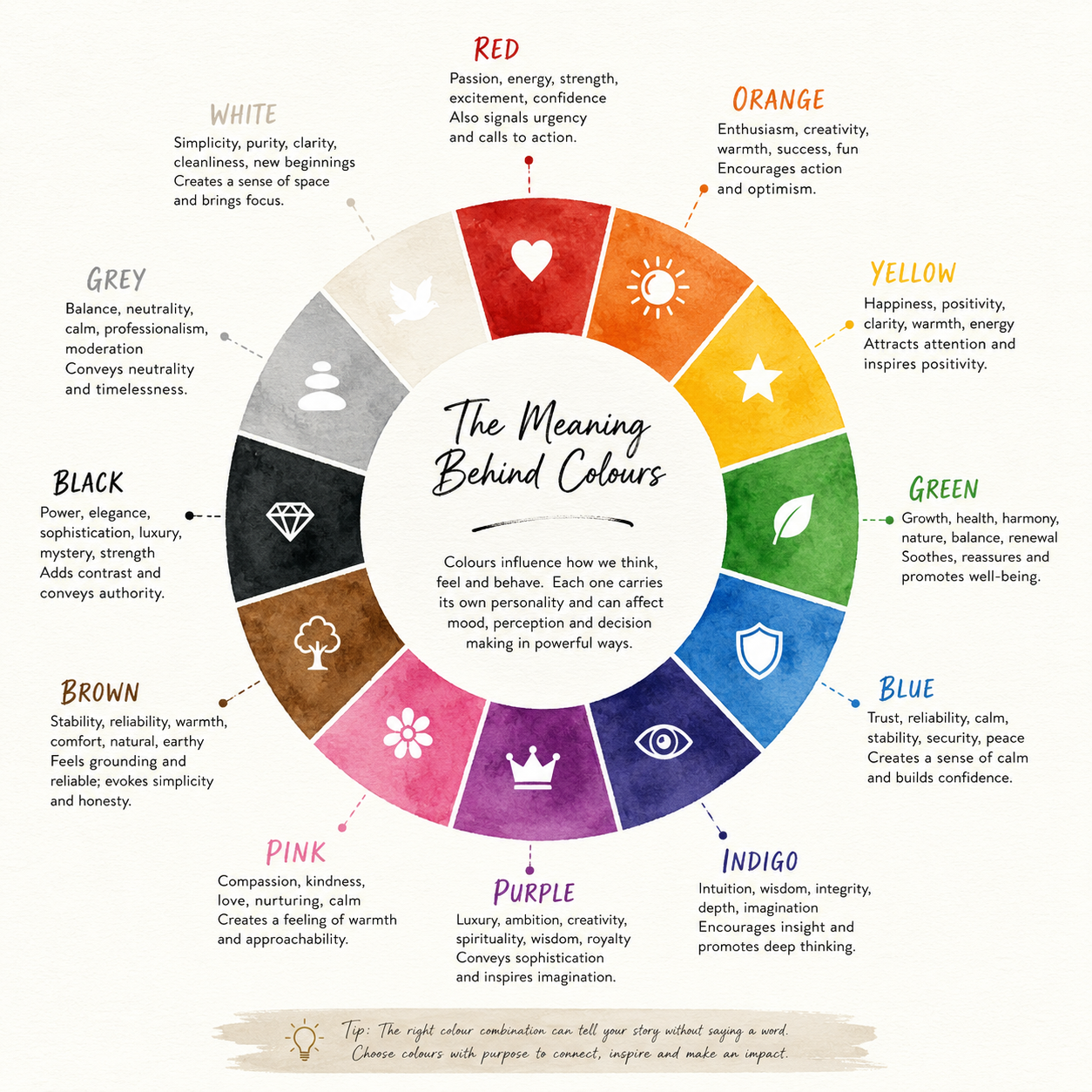
Colour is not just decoration. It affects how a room feels, how people respond to it and how well the space supports the work, learning or interaction taking place inside it. A well-planned colour scheme can make a room feel professional, welcoming and purposeful. A poor one can make even high-quality furniture feel flat, dated or disconnected.
Safe Choices Are Not Always the Best Choices
Grey desks. Grey chairs. Grey storage. Grey carpets.
It is a familiar look in many offices, schools and colleges. Neutral colours feel sensible, easy to approve and unlikely to offend anyone.
The problem is that “safe” can quickly become bland.
A space with no visual interest can feel cold and uninspiring. On the other hand, using too many bright colours can make a room feel busy, tiring and difficult to concentrate in.
The answer is not to avoid colour. It is to use it properly.
The best environments are not built around guesswork or trends. They are designed with a clear understanding of how each area will be used.
Start With the Purpose of the Space
Before choosing furniture colours, it helps to ask one simple question:
What do we want people to do in this space?
A meeting room needs to feel focused and professional. A classroom should feel engaging without becoming distracting. A breakout area should encourage conversation. A library, study zone or wellbeing area should feel calmer and more controlled.
Different spaces have different jobs to do, so they should not all be treated in exactly the same way.
This is where colour becomes a practical design tool. It can help define zones, influence mood, improve navigation and give each area its own identity without needing to overcomplicate the layout.
Offices Need More Than Rows of Neutral Desks
Modern workplaces have changed.
Offices are no longer just places where people sit at the same desk all day. They are used for meetings, collaboration, focused work, informal conversations, training and team building.
That means furniture and colour choices need to work harder.
A neutral base can still be very effective, especially for desks, storage and larger furniture pieces. However, carefully chosen accent colours can bring energy into the space without overwhelming it.
Colour can be introduced through soft seating, acoustic booths, breakout furniture, meeting chairs, screens or storage. This allows a workplace to feel more modern and engaging while still remaining professional.
Used well, colour can help create an office that people want to spend time in, rather than one they simply tolerate.
Educational Spaces Need Balance
In schools, colleges and learning environments, colour needs careful handling.
Bright colours can make a space feel friendly, positive and engaging, especially for younger learners. But too much colour, or the wrong combination of colours, can quickly become distracting.
A strong educational furniture scheme uses colour with purpose.
Different finishes can help separate group work areas, quiet study spaces, social zones and teaching spaces. Colour can also support wayfinding, helping students and staff understand how different areas are intended to be used.
In many education settings, furniture does more than fill a room. It helps shape behaviour, movement and learning.
Think Long-Term, Not Just What Looks Good Today
Furniture is a long-term investment, so colour choices need to last.
A bold colour may look impressive in a brochure or showroom, but it also needs to work in daily use for years to come. Trends change. Organisations grow. Rooms are adapted. Furniture is moved, reused or added to over time.
That is why many successful schemes use a combination of timeless neutral finishes and carefully selected feature colours.
This approach gives a space personality without making it feel tied to a short-term trend. It also makes it easier to refresh or adapt the environment later without replacing everything.
Colour Works Best as Part of the Full Design
The strongest office and educational spaces are not created by choosing furniture one item at a time.
They are planned as complete environments.
Furniture, flooring, lighting, layout, storage and colour all need to work together. When colour is considered from the start, the result feels more joined-up, more professional and more effective.
It helps the space make sense.
It helps people understand how to use it.
Most importantly, it helps create an environment that supports the people who spend time there every day.
Planning a new office, classroom or learning environment?
Speak to the Polycopy team about furniture solutions, colour schemes and workspace layouts designed around how people actually work and learn.
Take a look at our online catalogue - click here.
Call 01509 610077
Published on 02 June 2026