

Furniture Pods for Workplaces, Schools and Shared Spaces
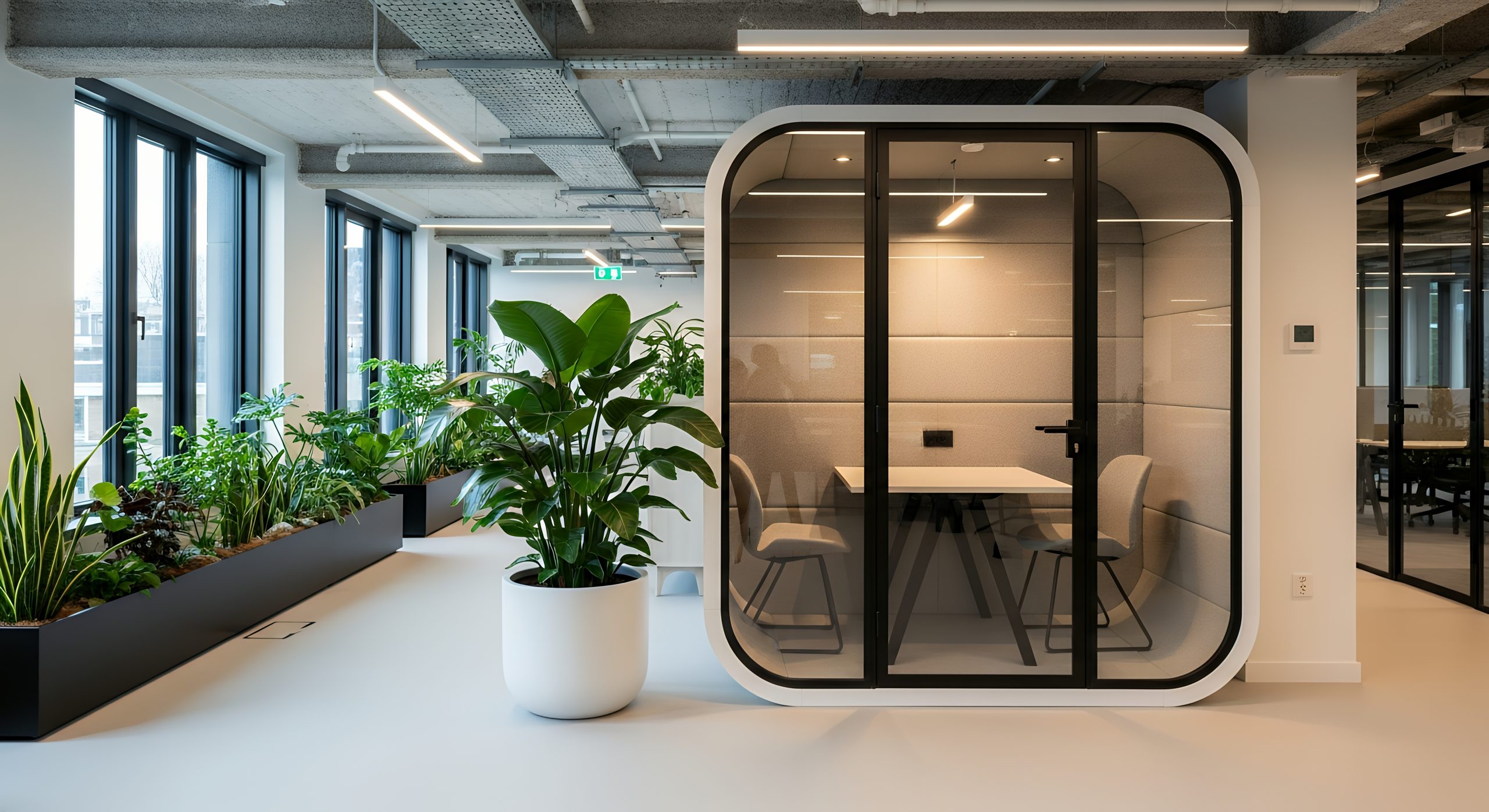
Making better use of space is a common challenge for offices, schools, colleges and public sector buildings. Teams need somewhere to meet. Staff need quieter areas to focus. Students may need space for group work, private support or independent study.
But creating those spaces does not always mean starting a building project, adding permanent partitioning or committing to a full refurbishment. Furniture pods offer a practical alternative. They help organisations create useful, flexible areas within existing spaces, with far less disruption.
What are furniture pods?
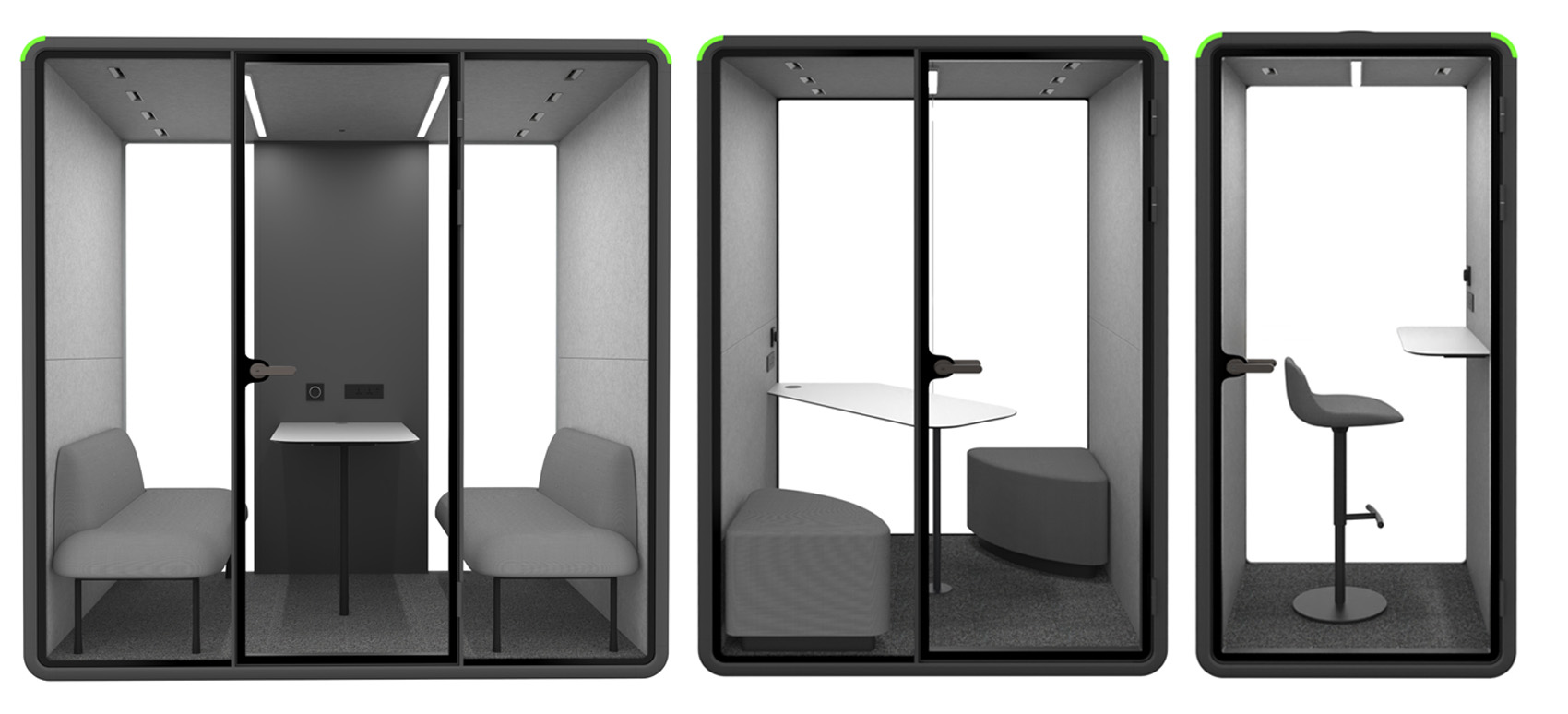
Furniture pods are self-contained spaces designed for working, meeting, learning or relaxing. They sit within an existing room or open-plan area and can be open, semi-enclosed or fully enclosed, depending on the level of privacy and acoustic control required.
In simple terms, they create a room within a room.
They are commonly used for:
- Small meetings and one-to-one conversations
- Focused work or private phone calls
- Video meetings and online learning
- Breakout areas for staff, pupils or visitors
- Quiet study, intervention or support spaces
Why furniture pods are becoming more popular
Open-plan spaces can be useful, especially when people need to communicate and collaborate. However, they can also be noisy, distracting and difficult to manage.
In a busy office, one phone call can disturb several people nearby. In a school or college, a shared space may need to support different activities at the same time. One area might be used for study, another for small group work, and another for informal meetings or support.
Furniture pods help bring structure to these environments. They give people a clearer, more defined space to work, talk or learn. As a result, they can help reduce distractions, improve privacy and make larger areas feel more organised.
In education settings, a pod in a library or learning resource centre can provide a useful space for group work or quieter study. In an office, a two-person pod can create a convenient area for quick meetings without using a larger meeting room. In reception areas, breakout spaces or shared workplaces, pods can also help create comfortable places to wait, work or talk.
Practical benefits for facilities and purchasing teams
For facilities managers, flexibility is one of the biggest advantages. Furniture pods can often be installed with less disruption than permanent building work, which makes them particularly useful in live environments where staff, pupils, visitors or customers still need access.
They can also help organisations make better use of areas that may otherwise be underused, including:
- Wide corridors
- Open-plan offices
- Libraries and resource centres
- Reception areas
- Breakout spaces
- Staff rooms and communal areas
For purchasing teams, it is worth looking beyond the initial cost. A well-chosen pod can solve several problems at once. It can support privacy, acoustic control, collaboration, comfort and space efficiency.
That means a furniture pod can often offer better long-term value than simply adding more desks, chairs or loose seating.
Choosing the right furniture pod
Before choosing a pod, it is important to think about how it will be used.
A pod for confidential conversations may need stronger acoustic performance and a higher level of privacy. A pod for informal breakout seating may only need to create a comfortable, semi-private area. A pod used for video meetings may need power, lighting and ventilation to be considered from the start.
The location is just as important. A fully enclosed pod may work well in a busy office, while an open booth may be better suited to a school library, college breakout area or communal space.
In education environments, buyers should also consider durability, easy-clean finishes, visibility and safeguarding requirements. These details can make a big difference when furniture is used every day by pupils, students and staff.
It is also sensible to check practical details early, such as access routes, power options, ventilation, flooring, delivery requirements and installation space.
A more flexible way to shape space
Furniture pods are not just about updating the look of a room. They are about helping existing spaces work harder.
For offices, schools, colleges and shared workplaces, the right pod can create areas for better conversations, quieter work, focused learning and more efficient use of space. They give organisations a practical way to adapt without the cost, disruption or permanence of structural changes.
If you are reviewing your workplace or education furniture, speak to Polycopy about furniture pods, seating and space planning options that suit your building, budget and day-to-day needs.
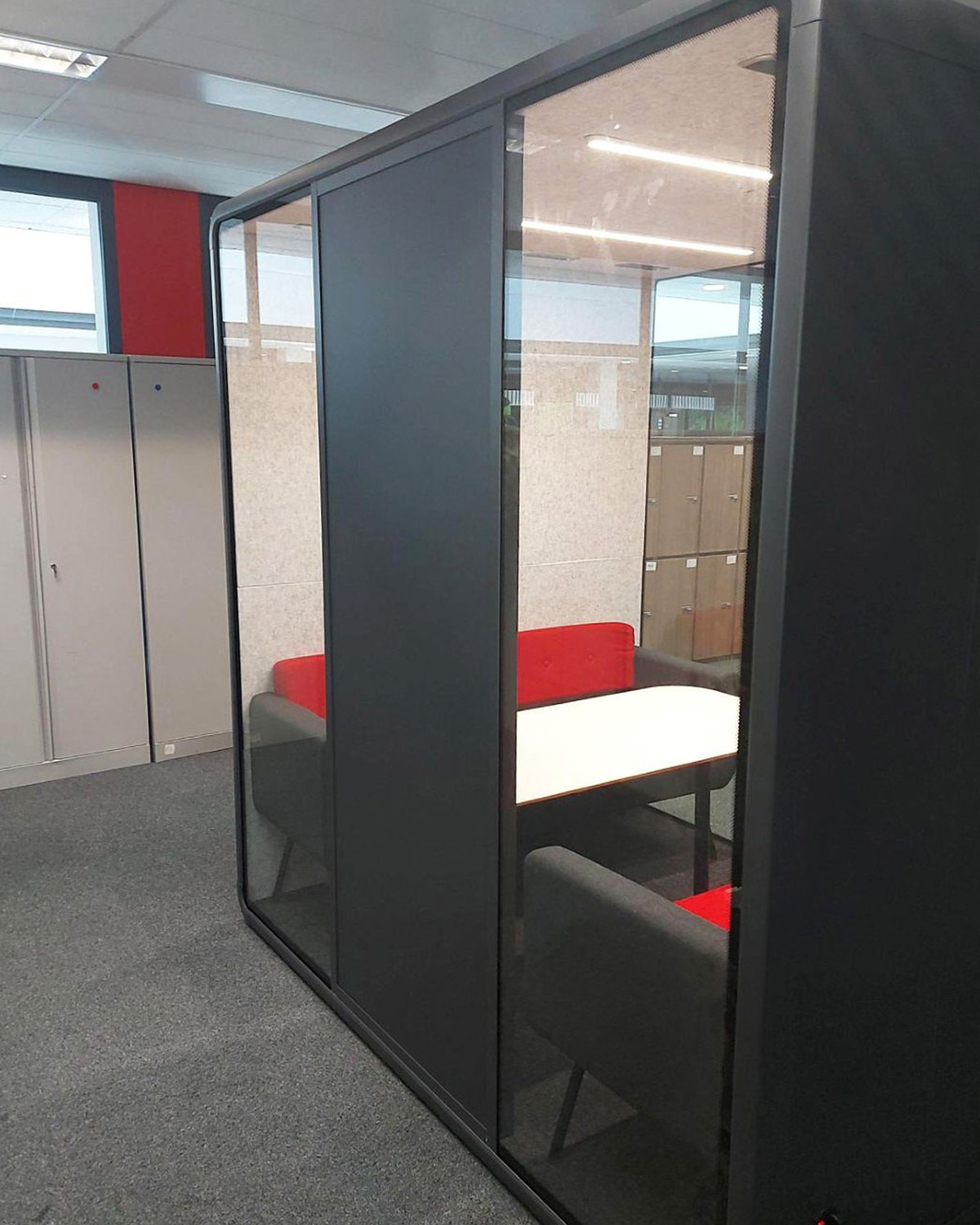
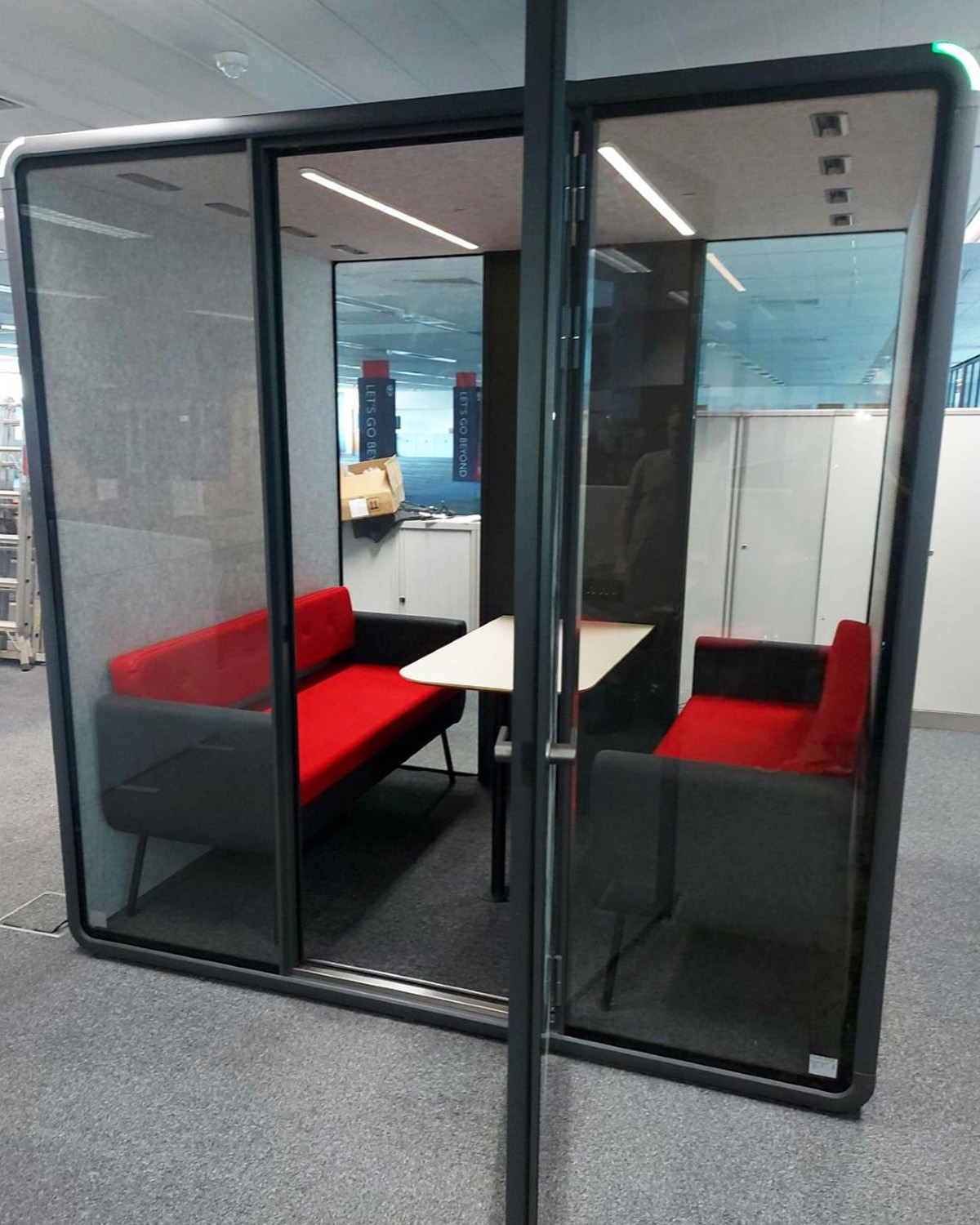
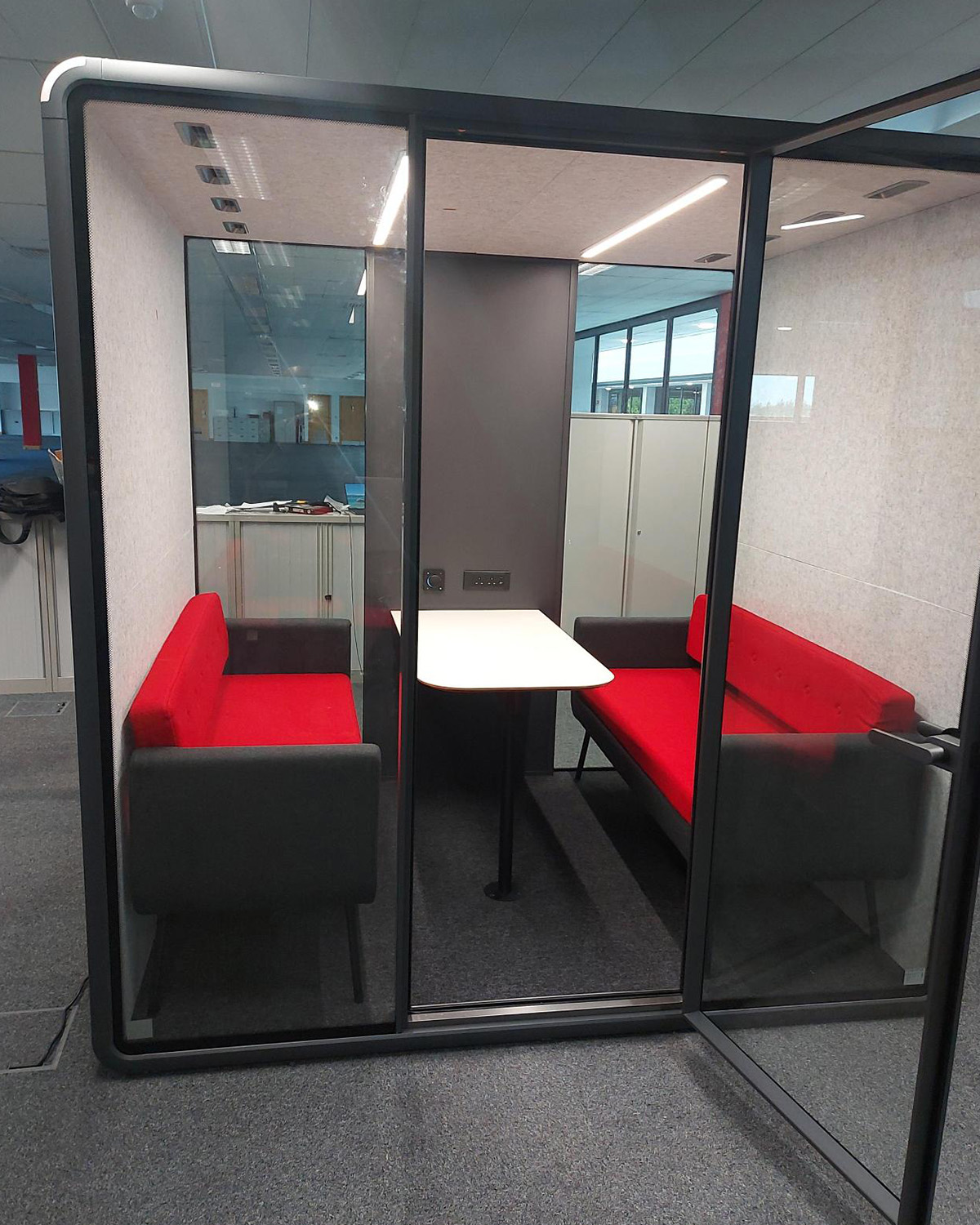
A recent installation:
 |
 |
 |
Published on 19 June 2026